

On this page
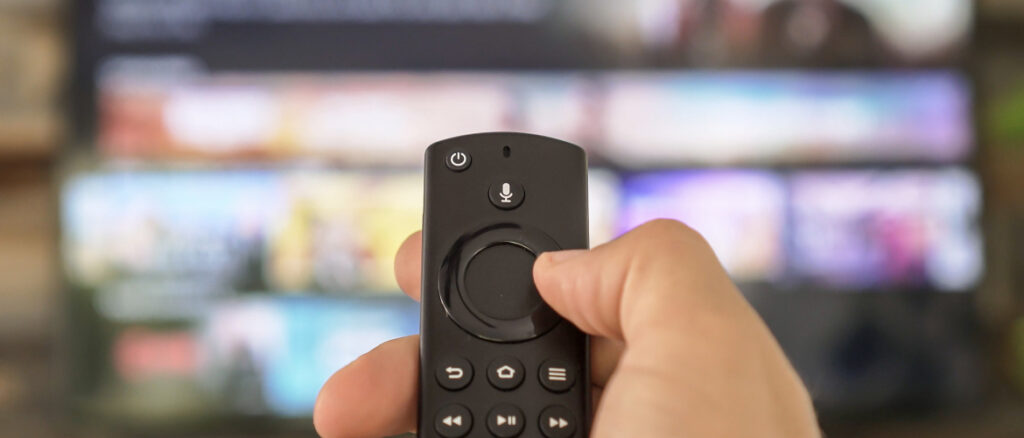
In the Netherlands, most people watch TV through KPN or Ziggo. Both providers offer their own TV box, but also apps that let you watch without a box on a smart TV or streaming device. That makes the question “which smart TV app is better, KPN’s or Ziggo’s?” less important than the question of how people actually watch on their TV. For organisations with their own video platform, that is exactly the question that matters: how do you get your videos onto that big screen? In this article we line up the options.
KPN and Ziggo: box or app?
With KPN and Ziggo, and also with Odido, there are roughly two ways to watch TV:
- The provider’s TV box: the full package with live TV, catch-up, recording and on-demand. The box sits between your internet connection and your TV, and the provider decides which apps are on it.
- The provider’s TV app: an app on your smart TV or streaming device, handy for a second TV in the house without an extra box or cables.
Which TV brands and devices the KPN and Ziggo apps work on, and which features the app does or doesn’t have (such as recording), differs per provider and per brand. It also changes regularly, so check the current list on your provider’s website before you choose a TV or subscription. Broadly speaking, the box offers the most features, while the app is cheaper and more flexible.
From box to app
The trend is clear. Where you used to need a receiver for every screen, more and more people now watch through apps: from their provider, from streaming services such as Netflix and Videoland, and from smaller providers. Samsung and LG smart TVs have their own app stores, and streaming devices with Google TV or Apple TV add even more apps. The TV is once again the main screen in the home, but it is a screen full of apps.
What does this mean for your own video platform?
If you run your own video platform, for example for films, training, sport or church services, you want your viewers to be able to watch on TV too. The KPN or Ziggo TV box is rarely the route for that: it is a closed environment in which the provider decides which apps appear. Fortunately, you don’t need it, because your viewers almost always have a smart TV, a streaming device or a phone they can cast from.
Three ways to get your videos on TV
Your own smart TV app
With your own app for Samsung and LG TVs, your platform sits between the apps of the big streaming services. Viewers open the app with the remote, without needing their phone. A good TV app is made for the sofa: big visuals, calm navigation and fast search. Signing in works with a pairing code via your website, so nobody has to type a password with the remote.
Casting with Chromecast and AirPlay
With Google Cast and AirPlay, viewers send a video from their phone or laptop to the TV with one tap. This works on TVs and streaming devices with Google Cast or AirPlay built in, such as many smart TVs, the Google TV Streamer and Apple TV. Read more in what you can do with Chromecast.
A laptop or projector via HDMI
Some viewers simply connect their laptop to the TV. That usually works fine, but be careful with protected video: with DRM, every link in the chain up to the screen has to comply. USB or DisplayLink adapters can break playback, so always test such a setup in advance, especially before a presentation or screening.
Which route suits you?
- Do your viewers mainly watch long content on the sofa, such as films, series or matches? Then your own smart TV app gives the best experience.
- Do they mostly watch on their phone and occasionally on TV? Then casting with Chromecast and AirPlay is often enough.
- Want to reach everyone? Combine both: a TV app for your regular viewers and casting for those who don’t want to install an app.
Your platform on TV with AudiencePlayer
With AudiencePlayer you launch your own smart TV apps for Samsung and LG, and Android TV in beta, under your own name. Viewers pair their account with a code, carry on watching where they left off on their phone, watch your livestreams on the TV as well, and everything is protected with DRM. Chromecast and AirPlay can be added as a module. AudiencePlayer uses its own Chromecast receiver, so you keep viewing statistics when viewers cast. Curious what your TV app could look like? Request a demo.
Frequently Asked Questions
What is the difference between the KPN or Ziggo TV box and their smart TV app?
The TV box offers the full package, including features such as recording. The smart TV app is meant for watching without an extra box, for example on a second TV, but doesn’t always have all the features of the box.
Can I watch TV without a KPN or Ziggo box?
Yes, with your provider’s TV app on a supported smart TV or streaming device. Which TVs and devices are supported differs per provider and changes regularly, so check the current list with your provider.
Can I get my own video platform’s app onto the KPN or Ziggo TV box?
Rarely in practice: the provider decides which apps go on its box. With your own smart TV app for Samsung and LG and casting via Chromecast and AirPlay, you reach your viewers on TV without going through a provider.
Which TVs does an AudiencePlayer TV app work on?
AudiencePlayer offers apps for Samsung and LG smart TVs, and Android TV in beta. You can also add Chromecast and AirPlay, so viewers can cast from their phone to the TV.
How do you sign in to a smart TV app without typing a password?
With a pairing code. The TV shows a code that your viewer enters on your website, after which the app is linked to their account. That way nobody has to type a password with the remote.