


On this page
Running a successful streaming platform comes down to a handful of habits: be available on the screens your audience uses, make it easy to start watching, offer more than one way to pay, serve a clear niche and keep measuring and improving. Viewers have plenty of choice and compare every service with the big names, so the details matter. These are seven lessons we see again and again on platforms that grow.
1. Be on every screen your audience uses
Viewers switch between devices all day. They discover a video on their phone, watch a bit on a laptop and want to finish it on the TV. If your platform is only available in a browser, you lose them at the moment they want to settle in on the sofa.
- Web: a responsive website is the foundation and reaches everyone.
- Mobile apps: your own iOS and Android apps put you on the home screen, with push notifications and offline viewing.
- TV: smart TV apps and casting with Google Cast or AirPlay bring longer content to the big screen.
Make sure viewers can continue where they left off on any device. That small convenience is what people expect from the major streaming services.
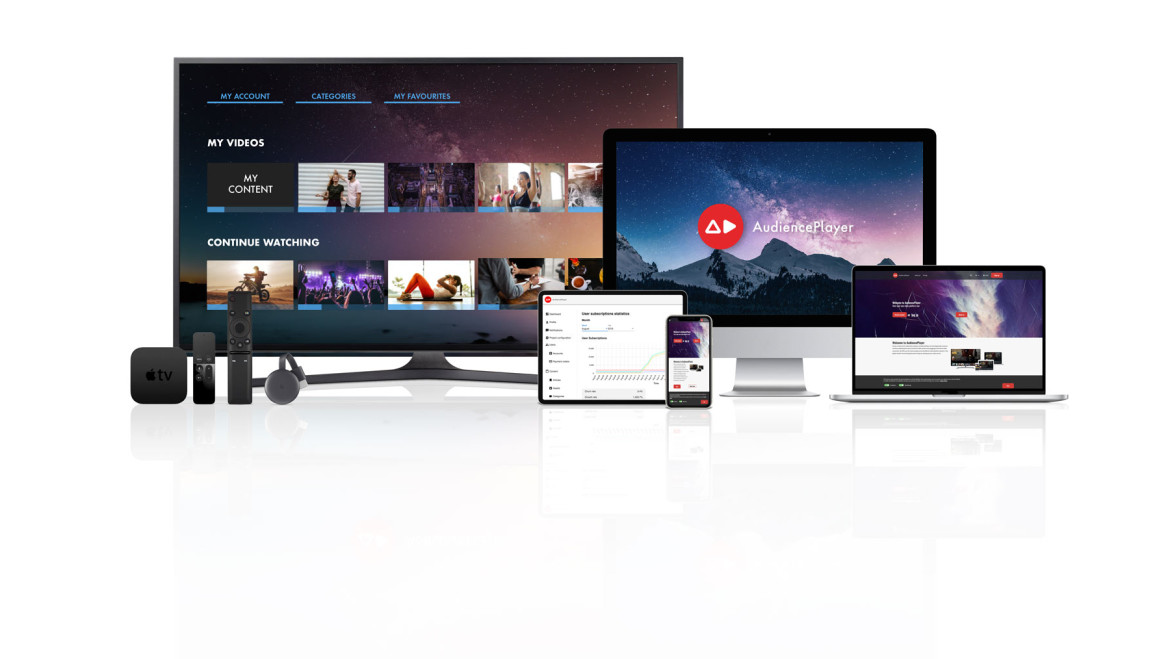
One streaming platform on web, mobile and TV
2. Engage first, convert later
Few people pay for a service they have never tried. Lower the threshold with a free trial, a free account with a selection of content or a discount code for a first month. Once viewers have experienced your content, asking them to pay is a much smaller step.
The first days after sign-up decide whether a trial turns into a subscription. Welcome new members, point them to your best content and remind them of what they haven’t watched yet. Our guide on how to onboard new subscribers so they don’t churn goes into this step by step.
3. Launch early and improve as you go
Don’t let the perfect design hold back your launch. A platform that spends months polishing pixels before anyone can find it misses out on viewers, revenue and, above all, feedback. Only when real people use your service do you learn what they watch, where they hesitate and what makes them pay.
Launch with a solid core: your best content, a clear offer and a smooth sign-up and payment flow. Promote it from day one and use what you learn to improve in small steps.
On AudiencePlayer, a few tasks on your own side decide whether launch day goes smoothly. Connect your own Mollie or Stripe account, which you need even if you only hand out free vouchers. Connect your own mailbox or mail provider, so welcome and password reset emails actually arrive. And test the live website as a real viewer, on several browsers and devices, instead of relying on the preview in the management environment.
4. Offer more than one price point
Viewers like to choose how they pay. One single price excludes people who only want one film, or who would happily commit for a year at a lower monthly rate. Successful platforms often combine several models:
- Monthly and yearly subscriptions, with a discount for the yearly plan
- Pay-per-view or rentals for single films, events or livestreams
- Bundles of series or courses
- Credits that viewers buy in advance and spend on videos
The big streaming services have also moved towards tiers, for example cheaper plans with advertising. For a smaller platform, a clear choice between two or three options usually works better than a long list. Read more about designing tiered pricing that keeps subscribers longer.
5. Own your niche
Most households pay for a few large streaming services and are critical about adding more. Subscription prices for the big services have gone up, and many viewers now cancel and rejoin depending on what is on. A niche platform doesn’t compete with that on volume. It wins on relevance: content a specific audience can’t find anywhere else, from a source they trust.
Think of a yoga studio with its own classes, a film organisation with a curated catalogue or a sports club with its matches. Know your audience well, speak their language and set a price that fits the budget they have left after the big services.
6. Measure what matters
One of the biggest advantages of your own platform over social media is that you see exactly what happens. Look beyond the number of sign-ups and follow the figures that show whether viewers stay:
- Trial-to-paid conversion
- Churn and retention per month or per cohort
- Viewing time and completion rate per video
- Which devices people watch on
Use good metadata and categories, then test: move videos into a new category, change a thumbnail or a carousel, and compare the results. See which metrics to track to improve retention on an OTT platform for a full overview.
One tip when you read your statistics on AudiencePlayer: the top articles list ranks videos by total watch time, which naturally favours long videos. Check the number of unique viewers in the playouts export as well before you decide what is popular. For visitor analytics on your website, connect your own Google Analytics or Google Tag Manager.
7. Keep releasing new content and features
Viewers stay when there is a reason to come back. A steady release schedule does more for retention than a large catalogue that never changes. Announce new videos with push notifications and emails, and plan releases so that subscribers always have something to look forward to.
The same goes for features. The big services constantly test new ideas, such as top 10 lists, skip-intro buttons and personal recommendations. You don’t need their budget to do the same on a smaller scale: try a new carousel, a reward for loyal viewers or a live event, keep what works and drop what doesn’t.
Put these lessons into practice with AudiencePlayer
AudiencePlayer gives you your own streaming platform in your own branding: a website, iOS and Android apps, smart TV apps for Samsung and LG (with Android TV in beta) and Chromecast and AirPlay, all from one management environment. You can combine subscriptions, pay-per-view, rentals, credits and vouchers (see our monetization options), reach viewers with push notifications and automated emails, and follow what is watched in your statistics. Want to see how it works for your content? Request a demo.
Frequently Asked Questions
How do I make my streaming platform successful?
Focus on a clear niche, make your platform available on the devices your audience uses and make it easy to start with a trial or free account. Then measure retention and keep improving your content, pricing and features based on what you learn.
Should I offer a free trial on my streaming platform?
In most cases, yes. A free trial or free account lowers the threshold for new viewers, as long as you guide them to your best content in the first days so the trial turns into a paid subscription.
Which pricing model works best for a niche streaming service?
There is no single best model. Many niche platforms combine a monthly and yearly subscription with pay-per-view or rentals for single titles or events, so viewers can choose how much they commit.
Can a niche platform compete with Netflix?
Not on volume, and it doesn’t need to. A niche platform offers content a specific audience can’t find elsewhere, which is why viewers often keep it alongside one or two large services.
What do I need to arrange before launching my streaming platform?
Besides your content and branding, connect a payment provider and a mail account, so payments and system emails such as password resets work from day one. Then test the full journey as a new viewer, from sign-up and payment to watching, on several devices.