


On this page
SVOD, short for subscription video on demand, is a monetisation model in which viewers pay a recurring fee, usually monthly or yearly, for access to a library of videos. For a video platform it means predictable, recurring revenue instead of one-off sales. In this article we look at SVOD from the platform owner’s side: when it works, how to set up your plans and what it takes to keep subscribers. For a broader introduction, see what is SVOD.
SVOD, TVOD and AVOD in short
Video on demand (VOD) means viewers watch what they want, when they want, instead of following a fixed broadcast schedule. Platforms earn money from VOD in three main ways:
- SVOD (subscription): a recurring fee for access to the whole library or part of it.
- TVOD (transactional): viewers pay per title, either to buy or to rent it for a limited time. Read more in what is TVOD.
- AVOD (advertising): viewers watch for free and advertising pays the bills.
The lines between these models are blurring. Netflix and Disney+, the best-known SVOD services, now also offer cheaper plans with advertising, and many smaller platforms combine subscriptions with separate purchases. Our overview of OTT business models compares all the options, including hybrid models.
Why SVOD works for smaller platforms too
SVOD is not just for global streaming giants. Organisations with a loyal audience and a steady flow of content use it successfully: yoga studios and fitness clubs offering classes, coaches with a growing course library, sports clubs with matches and highlights, churches, and film organisations with a curated collection.
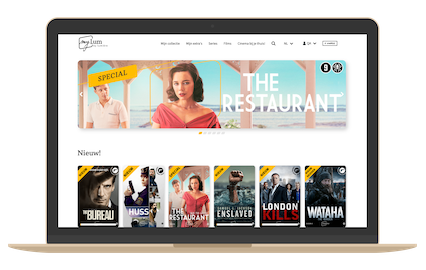
The main advantages for a platform owner:
- Predictable revenue: recurring payments make it easier to plan new content and growth.
- A lasting relationship: subscribers come back regularly, so you get to know what they watch and value.
- More value from your archive: older videos keep earning, because they are part of what subscribers pay for.
The trade-off is that a subscription is a promise. Viewers expect new or fresh content regularly, and they can cancel when they no longer see enough value.
When SVOD fits, and when TVOD fits better
SVOD works best when your content stays relevant over time and you can publish new videos on a regular schedule, such as weekly classes or a monthly masterclass. TVOD is often the better choice for content people only want once: a single event, a one-off course or a new film release.
You don’t have to choose just one. A common hybrid is a subscription for the core library plus paid access to special events or premium courses. Another is free registration with a few open videos, to build an audience you can later convert into paying subscribers.
Setting up your subscription plans
A few decisions shape how well your subscription sells:
- Billing period: monthly plans lower the barrier to start, yearly plans improve retention. Offering both, with a discount for yearly, is common.
- Tiers: you can offer different levels, for example by content or by the number of devices that can stream at the same time.
- Trial and discounts: a free trial or introductory voucher helps hesitant viewers try your platform.
- Teasers: free trailers and preview videos show non-subscribers what they are missing.
On AudiencePlayer you can create monthly, quarterly or yearly subscriptions and combine them with single products, rentals and vouchers. A few options that customers often use:
- The first payment can cover a longer period than the rest, for example six months upfront and monthly after that.
- A minimum term can be set, so a subscription can only be cancelled after a certain number of payments.
- The number of concurrent streams can be capped per subscription, which is a simple way to build tiers.
- Viewers can switch plans. An immediate upgrade starts a new term, with the unused value of the old plan credited pro rata.
Keeping subscribers
With SVOD, retention matters as much as acquisition. Every subscriber you keep for another month is revenue you don’t have to win again. Proven tactics include a predictable release schedule, a good onboarding for new members, and rewards for loyal viewers. Our article on a good retention rate for a subscription video service gives benchmarks and tips.
Don’t forget involuntary churn: subscribers who leave because a payment fails, not because they wanted to. On AudiencePlayer, failed renewals are retried automatically for a few days, and viewers receive an email with a payment button if a recurring payment fails. When a viewer cancels, the subscription stays active until the end of the period they paid for.
SVOD with AudiencePlayer
With AudiencePlayer you launch your own subscription video platform in your own branding, without building the technology yourself. You connect your own Mollie or Stripe account, so viewers pay with iDEAL, credit card or PayPal and the revenue goes straight to you. Discount codes, free trials, automated emails and loyalty rewards are built in, and modules such as mobile apps with in-app subscriptions and smart TV apps can be added. See all monetisation options, or get in touch to find out which model suits your content.
Frequently Asked Questions
What is the difference between SVOD, TVOD and AVOD?
With SVOD viewers pay a recurring subscription for access to a library, with TVOD they pay per title to buy or rent it, and with AVOD they watch for free while advertising generates the revenue. Many platforms combine two or more of these models.
Do I need a large video library to start an SVOD service?
No, but you need enough content to justify a recurring fee and a plan for adding more. A smaller library with a clear release schedule, such as new classes every week, often works better than a large archive that never changes.
Can I combine subscriptions with pay-per-view?
Yes. A common setup is a subscription for the main library plus separate purchases for live events, premium courses or new releases. On AudiencePlayer you can combine subscriptions, single purchases, rentals and vouchers on one platform.
What happens when a subscriber cancels?
On AudiencePlayer, a cancelled subscription keeps running until the end of the period the viewer already paid for, and is not renewed after that. If you set a minimum term, viewers can only cancel after the agreed number of payments.
Can subscribers upgrade or downgrade their plan?
Yes. On AudiencePlayer a switch can take effect at the next renewal or immediately, depending on your platform settings. An immediate switch starts a new full term, and the unused value of the current plan is deducted pro rata from the new price.