What Is SVOD?
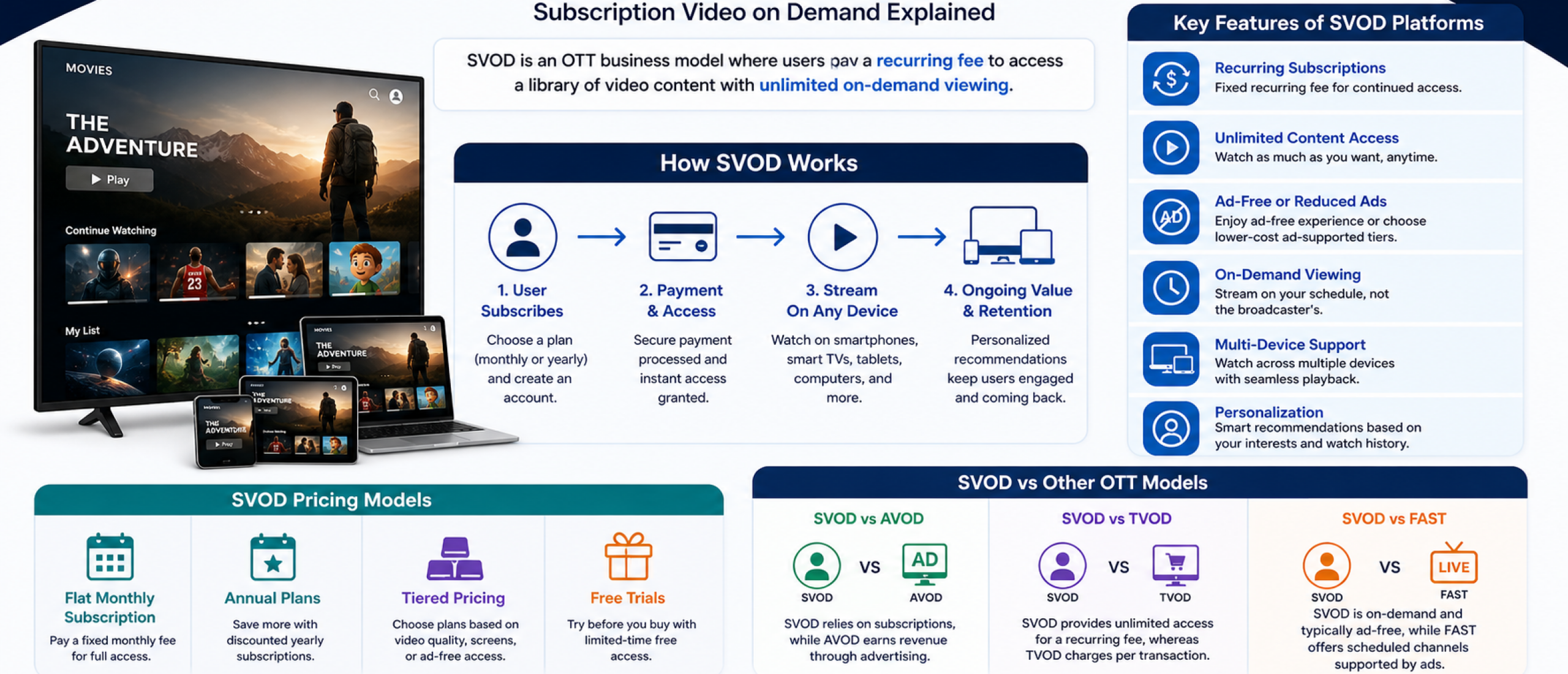
SVOD, or subscription video on demand, is an OTT business model where users pay a recurring fee to access a library of video content. Instead of paying for individual titles, viewers get unlimited access to content as long as their subscription is active.
This model is widely used across entertainment, fitness, education, faith-based platforms, and niche streaming services. It focuses on building long-term relationships with viewers through consistent content delivery and ongoing value.
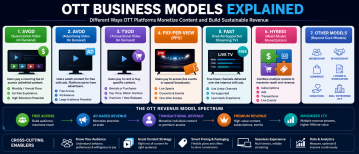
SVOD is one of the core OTT monetization strategies and is often combined with other models like advertising or pay-per-view. To understand how it fits into a broader revenue strategy, see the OTT business models explained guide.
How SVOD Works
In an SVOD model, users sign up for a subscription plan, typically monthly or yearly. Once subscribed, they can stream content on demand across devices such as smartphones, smart TVs, tablets, and web browsers.
The platform manages user authentication, billing, content delivery, and playback. Content is hosted and distributed through OTT infrastructure, often using content delivery networks to ensure smooth streaming performance.
SVOD platforms usually include features like user profiles, watchlists, personalized recommendations, and multi-device access to improve engagement and retention.
Key Features of SVOD Platforms
Recurring Subscriptions
Users pay a fixed recurring fee for continued access. Plans may include monthly, annual, or discounted long-term subscriptions.
Unlimited Content Access
Subscribers can watch as much content as they want within the platform’s library, without additional charges per video.
Ad-Free or Reduced Ads
Most SVOD services offer an ad-free experience, though some platforms introduce lower-cost tiers with ads as part of a hybrid strategy.
On-Demand Viewing
Content is available anytime, allowing users to watch on their schedule rather than following a broadcast timetable.
Multi-Device Support
Users can access content across multiple devices, often with the ability to resume playback seamlessly.
Personalization
Algorithms recommend content based on viewing history, improving discovery and increasing watch time.
SVOD Pricing Models
Flat Monthly Subscription
The most common approach, where users pay a fixed monthly fee for full access to the platform.
Annual Plans
Discounted yearly subscriptions encourage long-term commitment and reduce churn.
Tiered Pricing
Platforms offer multiple plans based on features such as video quality, number of screens, or ad-free access.
Free Trials
Many SVOD platforms offer limited-time free access to attract new users and drive conversions.
SVOD vs Other OTT Models
SVOD vs AVOD
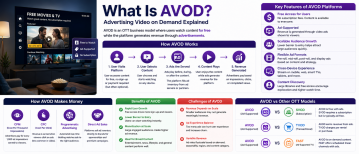
SVOD relies on subscriptions, while AVOD generates revenue through advertising. SVOD offers a cleaner user experience, while AVOD lowers the barrier to entry for viewers.
SVOD vs TVOD
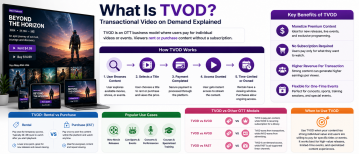
SVOD provides unlimited access for a recurring fee, whereas TVOD charges users per transaction, such as rentals or purchases.
SVOD vs FAST
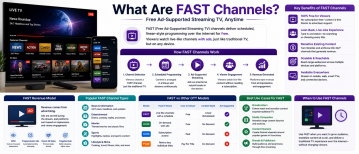
SVOD is on-demand and typically ad-free, while FAST delivers scheduled channels supported by ads.
When to Use the SVOD Model
SVOD is most effective when your platform offers ongoing value, repeat engagement, and a growing content library. It works particularly well for businesses that can deliver new content regularly or maintain a strong niche audience.
If your content is episodic, educational, community-driven, or frequently updated, a subscription model can create a stable and scalable revenue stream. Many platforms also start with SVOD and later expand into hybrid monetization to capture additional revenue opportunities.