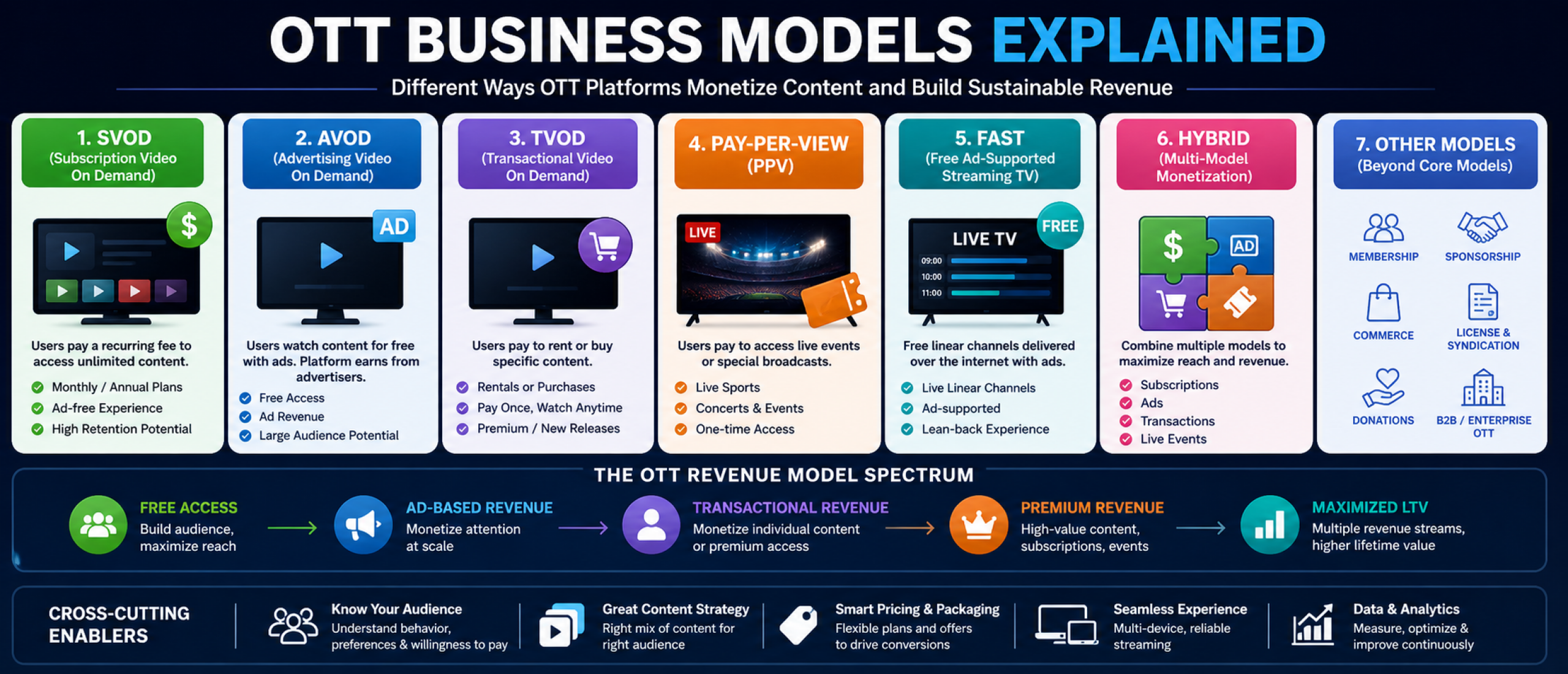
OTT Business Models Explained
OTT business models define how streaming platforms generate revenue from video content delivered over the internet. Unlike traditional TV, where monetization often depends on cable carriage fees, broadcast advertising, or bundled channel packages, OTT gives media companies, broadcasters, creators, sports leagues, educators, and enterprises more flexible ways to monetize audiences directly.
The most common OTT business models include subscription video on demand, advertising video on demand, transactional video on demand, FAST channels, hybrid monetization, rentals, pay-per-view, content bundles, and enterprise streaming. The right model depends on your content type, audience behavior, pricing power, licensing costs, brand strength, and growth goals.
What Is an OTT Business Model?
An OTT business model is the revenue strategy behind an over-the-top streaming service. It explains how the platform attracts users, delivers content, captures value, and earns money from viewers, advertisers, sponsors, partners, or businesses.
For example, Netflix is primarily known for a subscription-based model, YouTube relies heavily on advertising, Amazon Prime Video combines subscriptions with rentals and commerce, while many modern streaming platforms now use hybrid models that mix subscriptions, ads, live channels, and transactional purchases.
OTT monetization is not limited to entertainment. Fitness platforms sell memberships, sports platforms sell live event access, education companies sell course libraries, faith-based networks accept donations and subscriptions, and enterprise platforms charge businesses for secure video delivery, training, webinars, and internal communications.
Why OTT Business Models Matter
The OTT market is highly competitive. Audiences have more streaming choices than ever, and content costs can rise quickly. A strong business model helps platforms balance growth, retention, monetization, and user experience.
Choosing the wrong monetization model can limit revenue even if the content is strong. For example, a niche platform with loyal fans may earn more from subscriptions than ads. A platform with broad free content may scale faster with advertising. A premium sports event may perform best with pay-per-view. A broadcaster with a large catalog may benefit from FAST channels and ad-supported streaming.
The best OTT businesses often do not rely on one revenue source. They combine multiple models to serve different audience segments, reduce churn, and increase lifetime value.
Main OTT Business Models
1. SVOD: Subscription Video on Demand
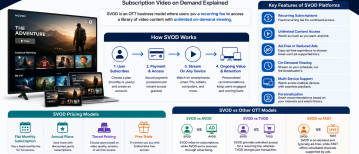
SVOD stands for subscription video on demand. In this model, users pay a recurring fee to access a library of content. Payments are usually monthly or yearly, although some platforms also offer weekly, quarterly, or seasonal plans.
SVOD works well for platforms with exclusive content, a strong brand, frequent releases, or a loyal audience. Examples include entertainment libraries, fitness programs, education platforms, kids content, faith-based streaming, documentaries, and premium niche communities.
The main advantage of SVOD is predictable recurring revenue. It helps OTT businesses forecast cash flow, measure retention, and build long-term customer relationships. The challenge is churn. If users do not see enough value, they cancel. That means SVOD platforms need strong onboarding, fresh content, personalized recommendations, and clear reasons to stay subscribed.
2. AVOD: Advertising Video on Demand
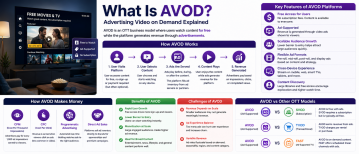
AVOD stands for advertising video on demand. Viewers watch content for free or at a lower cost, while the platform earns revenue from ads shown before, during, or after videos.
AVOD is effective when a platform has a large audience, broad content appeal, and enough viewing time to generate meaningful ad impressions. It is commonly used by free streaming services, broadcaster catch-up apps, creator networks, news platforms, and entertainment libraries.
The biggest advantage of AVOD is low friction. Users can start watching without paying, which helps platforms grow faster. The challenge is that ad revenue depends on scale, fill rates, targeting, viewer geography, content category, and advertiser demand. Too many ads can also hurt the user experience.
3. TVOD: Transactional Video on Demand
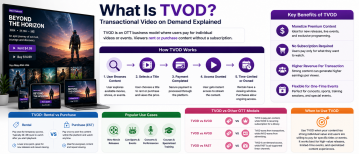
TVOD stands for transactional video on demand. In this model, users pay for individual pieces of content instead of subscribing to the entire platform. This may include rentals, purchases, premium episodes, movies, courses, or special releases.
TVOD works best when the content has high individual value. Examples include new movie releases, live recordings, conferences, masterclasses, premium tutorials, sports events, concerts, and exclusive documentaries.
The advantage of TVOD is that users only pay for what they want. This can increase conversion for audiences who do not want a subscription. The challenge is that revenue may be less predictable than SVOD because purchases are event-based or title-based.
4. Pay-Per-View
Pay-per-view is a transactional OTT model where users pay to access a specific live event or limited-time broadcast. It is especially common in sports, boxing, MMA, concerts, comedy shows, conferences, religious events, and premium livestreams.
This model works when urgency and exclusivity are high. Viewers are more likely to pay when the event is live, time-sensitive, and not easily available elsewhere.
Pay-per-view can generate strong revenue in a short period, but it requires reliable streaming infrastructure. A failed live stream can damage trust quickly, so platforms using this model need strong CDN delivery, payment reliability, access control, customer support, and real-time monitoring.
5. FAST: Free Ad-Supported Streaming TV
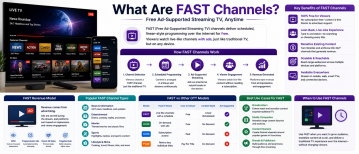
FAST stands for free ad-supported streaming television. It combines the feel of traditional linear TV with internet-based OTT delivery. Instead of choosing individual videos on demand, viewers watch scheduled channels for free with ads.
FAST is useful for platforms with large content libraries, archive programming, news clips, lifestyle shows, documentaries, sports highlights, music channels, or themed entertainment. A company can turn existing content into always-on channels and monetize viewing through advertising.
The advantage of FAST is that it creates a lean-back viewing experience. Users do not need to search for content; they can simply open a channel and watch. The challenge is programming. FAST channels need thoughtful scheduling, clear themes, metadata, ad insertion, and distribution across devices.
6. Hybrid OTT Monetization
A hybrid OTT model combines two or more monetization strategies. This is increasingly common because different viewers have different willingness to pay.
For example, an OTT platform may offer a free ad-supported tier, a paid ad-free subscription, premium rentals, and live pay-per-view events. This allows the platform to attract free users, convert loyal viewers into subscribers, and monetize high-value content separately.
Hybrid monetization is often the strongest long-term approach because it gives the business more flexibility. However, it also requires careful packaging. If too much content is free, users may not subscribe. If too much content is locked, user growth may slow. The key is to create a clear value ladder.
Other OTT Revenue Models
Freemium OTT Model
The freemium model gives users access to basic content for free while charging for premium features, exclusive videos, ad-free viewing, downloads, live events, or advanced access. This model works well when the platform needs to build a large audience before converting a percentage of users into paying customers.
Membership Model
A membership model goes beyond access to video. It creates a community or identity around the platform. Members may receive exclusive content, live sessions, private groups, early access, merchandise discounts, events, or direct creator interaction.
This model is powerful for creators, educators, fitness experts, faith leaders, sports communities, and niche media brands because the value is not only the content library but the relationship with the audience.
Sponsorship Model
In a sponsorship model, brands pay to support content, channels, shows, or live events. This is different from standard ad placements because sponsorship is usually more integrated and brand-driven.
Sponsorship can work well for niche OTT platforms with a clearly defined audience. For example, a fitness streaming service may attract health brands, while a business education platform may attract software companies or financial services advertisers.
Licensing and Syndication
Some OTT businesses earn revenue by licensing their content to other platforms. A studio, creator network, or media owner may distribute content through its own OTT app while also licensing selected titles to third-party services, FAST platforms, broadcasters, or international partners.
This model can create additional revenue from existing content, but it requires careful rights management. Platforms must decide which content remains exclusive and which content can be distributed elsewhere.
Commerce and Shoppable Video
Some OTT platforms connect video content with product sales. This is common in fitness, cooking, fashion, education, home improvement, live shopping, and creator-led businesses.
For example, a cooking platform may sell recipe kits, a fitness platform may sell equipment, and a creator platform may sell merchandise. In this model, video drives trust, engagement, and product discovery.
Donations and Fan Support
Donation-based models are common for nonprofit, religious, educational, independent media, and creator-led OTT platforms. Viewers can support the platform through one-time donations, recurring contributions, pledges, or supporter tiers.
This model works best when the audience strongly believes in the mission, creator, or community behind the content.
B2B and Enterprise OTT
OTT is not only for consumer entertainment. Businesses also use OTT platforms for training, internal communication, virtual events, onboarding, investor updates, product education, and partner enablement.
In B2B OTT, the customer is usually a company rather than an individual viewer. Revenue may come from platform licensing, seat-based pricing, usage-based pricing, managed services, storage, bandwidth, security features, or custom integrations.
How to Choose the Right OTT Business Model
Understand Your Audience
The best OTT model starts with audience behavior. Are viewers willing to pay monthly? Do they prefer free access with ads? Are they buying access to one premium event? Are they watching casually, or do they return every week?
A loyal niche audience may support subscriptions. A broad casual audience may be better suited for AVOD or FAST. A high-intent audience may convert well with premium courses, rentals, or pay-per-view.
Evaluate Your Content Type
Different content categories fit different monetization models. Evergreen educational content often works well with subscriptions or course purchases. Live sports and concerts often work well with pay-per-view. Large entertainment libraries can support AVOD, FAST, or hybrid models. Premium originals can support subscriptions.
Consider Content Costs
If your content is expensive to produce or license, you need a model that can recover those costs. Subscription revenue may help with predictability, while pay-per-view can work for high-cost live events. Ad-supported models need enough audience scale to justify the cost of content acquisition.
Think About User Acquisition
Free models usually reduce signup friction and can help grow an audience faster. Paid models may generate stronger revenue per user but often require more trust, brand awareness, and marketing investment.
Plan for Retention
Recurring revenue depends on retention. SVOD platforms need fresh content, exclusive value, personalization, and regular engagement. AVOD and FAST platforms need habit formation and content discovery. Transactional platforms need repeat events, new releases, or ongoing campaigns.
OTT Business Model Examples by Use Case
Entertainment Streaming
Entertainment platforms often use SVOD, AVOD, FAST, or hybrid monetization. Large libraries can support ad-supported viewing, while exclusive originals can drive subscriptions.
Sports Streaming
Sports OTT platforms commonly use subscriptions, seasonal passes, pay-per-view, sponsorships, and advertising. Live sports have strong urgency, making them ideal for event-based monetization.
Fitness Streaming
Fitness platforms often use subscriptions, memberships, courses, live classes, and commerce. The strongest platforms combine video content with community, progress tracking, and coaching.
Education and eLearning
Education OTT platforms may use subscriptions, one-time course purchases, certifications, institutional licensing, or enterprise training contracts. The value is often tied to outcomes, not just viewing time.
Faith-Based Streaming
Faith-based platforms may combine free content, donations, memberships, live events, and subscriptions. Community trust and mission alignment are especially important in this category.
News and Media
News OTT platforms often use advertising, sponsorships, subscriptions, live channels, and clips distributed across multiple devices. FAST channels can be especially useful for continuous news programming.
OTT Monetization Strategy: Building a Revenue Ladder
A strong OTT business model often works like a revenue ladder. At the bottom, free content attracts new users. In the middle, subscriptions or memberships create recurring revenue. At the top, premium purchases, live events, merchandise, sponsorships, or enterprise offerings increase average revenue per user.
For example, a platform may start with free trailers, clips, or ad-supported episodes. Then it may offer a monthly subscription for the full library. Later, it may add exclusive live events, premium downloads, coaching, merchandise, or partner offers.
This approach gives users multiple ways to engage. Not every viewer will pay immediately, but a well-designed OTT funnel can convert casual viewers into registered users, registered users into subscribers, and subscribers into high-value customers.
Key Metrics for OTT Business Models
Monthly Recurring Revenue
Monthly recurring revenue measures predictable subscription income. It is especially important for SVOD and membership-based OTT platforms.
Average Revenue Per User
Average revenue per user shows how much revenue each user generates over a specific period. Hybrid platforms often try to increase this through premium upgrades, rentals, ads, and add-ons.
Churn Rate
Churn rate measures how many users cancel or stop paying. A high churn rate can weaken subscription growth even when new signups are strong.
Customer Lifetime Value
Customer lifetime value estimates the total revenue a user may generate during their relationship with the platform. This helps determine how much a platform can spend on marketing and acquisition.
Ad Fill Rate
Ad fill rate shows how much available ad inventory is successfully sold and filled. It is important for AVOD and FAST platforms.
Watch Time
Watch time measures engagement. More watch time usually creates more subscription value, more ad opportunities, and stronger retention.
Conversion Rate
Conversion rate shows how many users move from one stage to another, such as from visitor to registered user, free user to subscriber, or viewer to purchaser.
Common Mistakes in OTT Monetization
Choosing a Model Before Understanding the Audience
Many platforms start with the monetization model they prefer instead of the model their audience will accept. The strongest OTT businesses test pricing, packaging, and access rules based on real viewer behavior.
Relying on Only One Revenue Stream
A single revenue stream can limit growth. Subscriptions may face churn, ads may fluctuate, and transactional sales may be inconsistent. Hybrid strategies can reduce risk.
Locking Too Much Content Too Early
If all content is behind a paywall, new users may not understand the value. Free previews, clips, trials, or limited access can help build trust before asking for payment.
Overloading Users With Ads
Ads can monetize free viewing, but too many ads can increase abandonment. Successful AVOD and FAST platforms balance revenue with viewer experience.
Ignoring Retention
Getting users to sign up is only the beginning. OTT platforms need content freshness, personalization, notifications, email campaigns, device support, and a smooth viewing experience to keep users engaged.
Best OTT Business Model for New Platforms
For many new OTT platforms, the best starting point is a focused model with room to expand. A niche platform with loyal viewers may begin with SVOD. A media company with a large free audience may start with AVOD. A live event brand may begin with pay-per-view. A content owner with a large archive may launch FAST channels.
As the platform grows, hybrid monetization often becomes more attractive. This allows the business to serve different audience segments without forcing every viewer into the same payment path.
The best OTT business model is not simply the one that earns the most per transaction. It is the one that matches audience demand, supports content economics, scales with distribution, and creates long-term viewer relationships.