

On this page
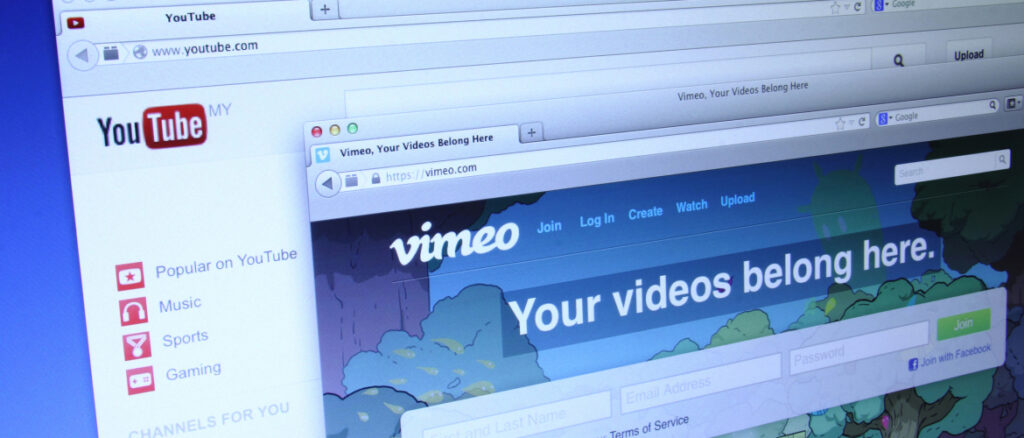
YouTube, Vimeo or your own video platform? The short answer: YouTube is best for reach, Vimeo is best for hosting and sharing professional video without ads, and your own video platform is best when you want to earn directly from your videos and own the relationship with your viewers. Many organisations end up using a combination. This article compares the three options and helps you decide which one fits your goals.
YouTube: maximum reach, little control
YouTube is the largest video platform in the world and the second-biggest search engine after Google. If you want to be discovered by people who don’t know you yet, there is no better place. Uploading is free and your videos play on almost every device.
Earning money is a different story. Most income on YouTube comes from ads, through the YouTube Partner Program. You first need to meet YouTube’s eligibility thresholds, and YouTube keeps a share of the ad revenue: for long-form videos, creators receive 55%. Channel memberships and fan funding are possible too, but YouTube takes a cut of those as well. You don’t set prices, you don’t control which ads run next to your content, and the algorithm decides who sees your videos.
- Pros: enormous audience, free to use, strong in search, works on every device.
- Cons: income mainly through ads and shared with YouTube, ads from others next to your content, no viewer data or email addresses, and the rules can change at any time.
Unlisted videos are not a way to sell access: anyone with the link can watch them. Read more in our article on an alternative to YouTube without ads.
Vimeo: professional hosting, fewer selling options
Vimeo focuses on professionals and businesses. There are no ads on your videos, the player looks clean, and paid plans give you privacy settings such as password protection and control over where your videos can be embedded. That makes Vimeo popular for portfolios, company videos and embedding video on your own website.
For selling video, Vimeo has narrowed its options. Vimeo On Demand, the marketplace where filmmakers sold and rented individual titles, stopped accepting new uploads on 22 August 2026 and closes on 20 November 2026. Sellers are pointed to Vimeo Streaming, the product previously called Vimeo OTT. Its fees are tied to your audience: $1 per subscriber per month plus payment processing, 10% plus $0.50 per purchase or rental, and paid upload packages once you go beyond the first free hour. Branded apps and live streaming are quoted separately. We break down the numbers in our Vimeo Streaming pricing review and explain the shutdown in what Vimeo On Demand sellers pay instead.
- Pros: no ads, professional player, good privacy and embed controls, simple to start.
- Cons: no built-in audience, selling now runs through Vimeo Streaming with per-subscriber and per-transaction fees, apps and live on request, and you depend on Vimeo’s product decisions.
Your own video platform: full control over revenue and data
With your own video platform, your videos live on your own website and apps, under your own brand and domain. You decide who can watch, what it costs and how viewers pay. It’s not a video-sharing site where anyone can upload: you are the only publisher, and every viewer is your viewer.
- Pros: your own revenue model (subscriptions, pay-per-view, rentals, courses), no ads from others, your own customer data and email list, your own branding.
- Cons: no built-in audience, so you need marketing to attract viewers, and it involves a platform fee instead of a free upload.
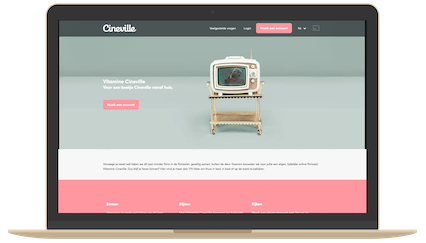
Your own platform works especially well for organisations with a loyal niche audience: coaches and trainers selling courses, film distributors, fitness and yoga studios, sports clubs and cultural organisations.
Which option should you choose?
- You want to be found by new viewers: YouTube.
- You want to host and embed professional video without ads: Vimeo.
- You want to earn directly from your videos and own your audience: your own video platform.
In practice, the strongest setup is often a combination. Use YouTube and social media as your shop window, with free clips, trailers and tips, and send viewers to your own platform for the full content. The Vimeo On Demand shutdown shows why it matters where your paid content lives: when a platform changes course, its sellers have to move on someone else’s timeline.
Your own platform with AudiencePlayer
AudiencePlayer is a white-label video platform for organisations that want a streaming service of their own. You get your own website in your branding, video on demand, subscriptions and single products. Live streaming, mobile apps, smart TV apps and DRM are modules you can add. You connect your own Mollie or Stripe account, so viewers pay with iDEAL, credit card or PayPal and revenue goes straight to your own bank account.
The shop-window approach is built in. On AudiencePlayer, each video can have a trailer that anyone can watch without logging in and a preview for viewers who have created a free account, next to the main video for paying viewers. That lets you tease premium content and grow your mailing list before people buy.
Moving from Vimeo? Large libraries can be uploaded in bulk via FTP, and titles, viewers and their subscriptions can be imported from a spreadsheet. See migrate to AudiencePlayer or request a demo to see what your own platform could look like.
Frequently Asked Questions
Is Vimeo better than YouTube for businesses?
For hosting and embedding professional video, often yes: Vimeo has no ads, a clean player and better privacy controls. For reaching new viewers, YouTube is much stronger because of its huge audience and search traffic.
Can I still sell videos on Vimeo?
Yes, but only through Vimeo Streaming, the former Vimeo OTT. Vimeo On Demand stopped accepting new uploads on 22 August 2026 and closes on 20 November 2026. Vimeo Streaming charges $1 per subscriber per month, or 10% plus $0.50 per purchase or rental, plus payment processing.
How much of the ad revenue does YouTube keep?
For long-form videos, creators in the YouTube Partner Program receive 55% of the ad revenue and YouTube keeps 45%. You first have to meet YouTube’s eligibility requirements before you can earn from ads at all.
Can I use YouTube and my own video platform at the same time?
Yes, and that is often the best approach. Publish free clips and trailers on YouTube to attract viewers, and offer the full videos, courses or series on your own platform, where you set the price and own the customer relationship.
Can I move my videos and subscribers from Vimeo to my own platform?
Yes. Download your files from Vimeo in time, then upload them to your new platform. On AudiencePlayer, viewers and their subscriptions can be imported from a spreadsheet; passwords are never transferred, so viewers set a new one once after the move.