Google Video Indexing Explained
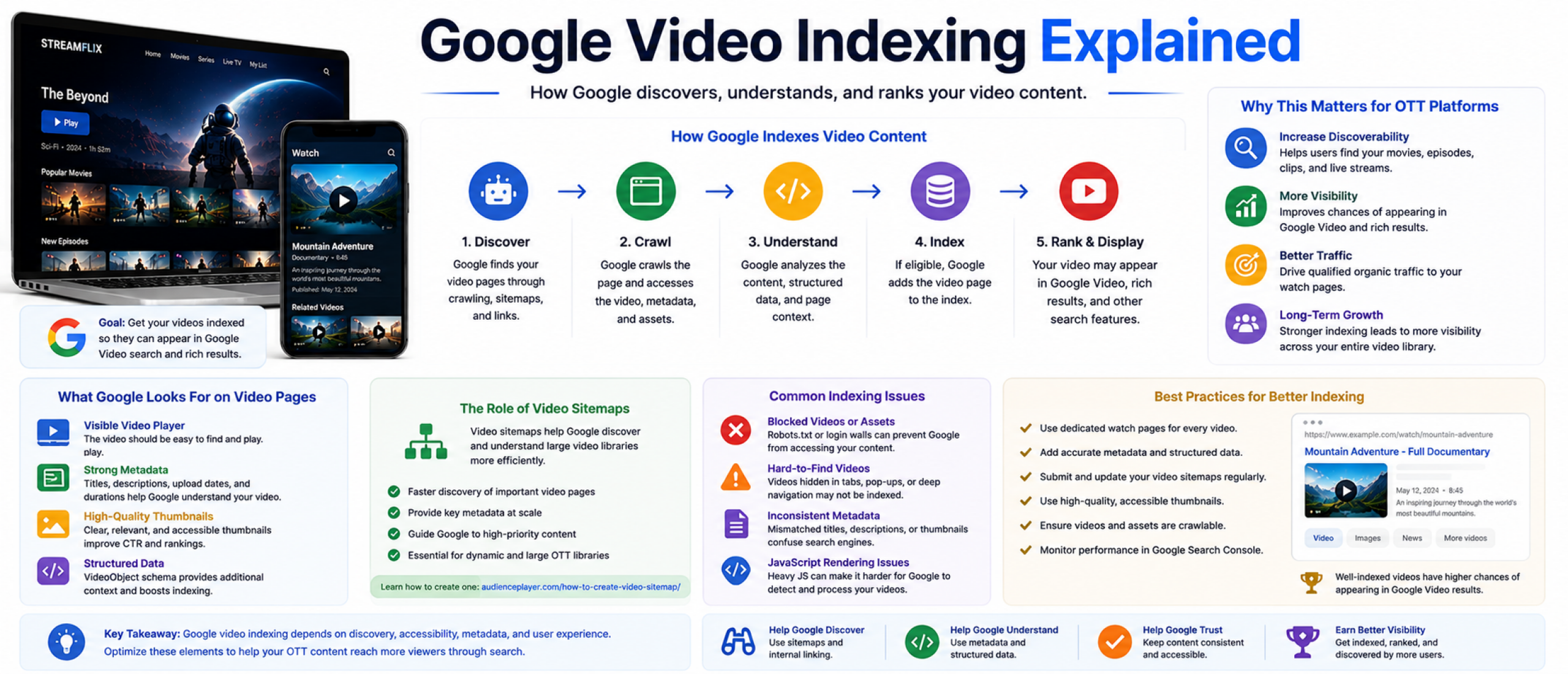
Google video indexing is the process search engines use to discover, crawl, understand, and display video content in search results. When a video is properly indexed, it becomes eligible to appear in Google Video search, rich results, and other video-related search features.
For OTT platforms, publishers, streaming services, and media companies, video indexing plays a major role in discoverability. Even high-quality video content may struggle to generate traffic if search engines cannot properly detect and understand it.
Google relies on multiple signals to index videos, including watch pages, structured data, video sitemaps, thumbnails, and crawlable playback elements.
How Google Discovers Video Content
Google typically discovers video content by crawling websites and identifying pages that contain embedded or hosted videos. It may also find video pages through submitted video sitemaps and internal links.
For streaming platforms with large libraries, video sitemaps help Google locate important watch pages more efficiently, especially when content is dynamically loaded or deeply nested.
Google then analyzes the page structure, metadata, visible content, and video playback elements to determine whether the page qualifies for video indexing.
What Google Looks for on Video Pages
Google prefers pages with a clearly visible and accessible video player. The video should be the primary focus of the page rather than hidden behind tabs, overlays, or difficult navigation.
Search engines also look for supporting metadata such as titles, descriptions, thumbnails, upload dates, and durations. These signals help Google understand what the video is about.
Pages with strong metadata and a clear viewing experience are more likely to qualify for enhanced video search features.
The Role of Video Sitemaps
Video sitemaps help Google discover video pages faster and understand important metadata at scale.
For OTT platforms and streaming libraries, sitemaps are especially useful because search engines may not easily discover every episode, movie, clip, or live stream through standard crawling alone.
Video sitemaps also help organize large catalogs and guide Google toward high-priority video pages.
To learn more, see our guide on how to create a video sitemap.
Why Structured Data Matters
Structured data gives Google additional context about the video content on a page. Most video pages use VideoObject schema markup to define information such as the video title, description, thumbnail, upload date, and playback URL.
This helps search engines confirm that the page contains a valid video and improves indexing accuracy.
For best results, the metadata in the schema markup should match the watch page and video sitemap information.
How Thumbnails Impact Video SEO
Thumbnails are one of the most important parts of video indexing because they are often displayed directly in search results.
Google prefers high-quality thumbnails that are accessible, relevant to the content, and visually clear across devices.
Weak or inaccessible thumbnails can reduce click-through rates and negatively impact video visibility.
Common Video Indexing Problems
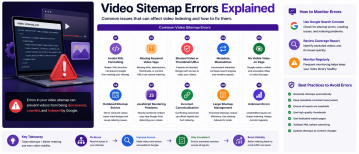
One of the most common indexing issues is when Google cannot access the actual video file or player. This often happens because of blocked assets, broken embeds, or heavy reliance on unsupported JavaScript rendering.
Another issue is pages where the video is difficult to find or not clearly visible to users. Google wants the video to be a primary element of the page experience.
Inconsistent metadata between the sitemap, schema markup, and visible page content can also reduce indexing reliability.
For OTT platforms, authentication walls and dynamic interfaces may create additional crawling challenges if not configured carefully.
Google Video Indexing for OTT Platforms
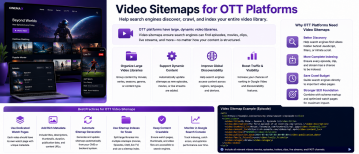
OTT services often manage thousands of video pages across movies, episodes, live streams, clips, and FAST channels. This makes video indexing more complex than standard websites.
Streaming platforms should prioritize crawlable watch pages, automated video sitemaps, structured metadata, and scalable content organization.
Because OTT libraries update frequently, indexing systems also need to update dynamically as new content is published.
Large streaming platforms often use dedicated watch pages for every title to maximize indexing opportunities.
How to Improve Video Indexing
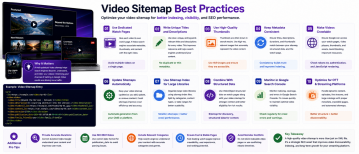
Clear watch pages, strong metadata, high-quality thumbnails, and fast-loading video players all contribute to better indexing performance.
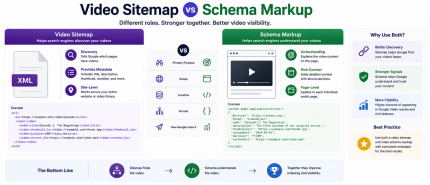
Video schema markup and video sitemaps should work together to strengthen discovery and context signals.
Streaming platforms should also make sure important assets are crawlable and avoid blocking thumbnails, video players, or watch pages through robots.txt or restrictive configurations.
Monitoring indexing performance through Google Search Console helps identify crawl errors and discoverability issues before they impact traffic.
Why Video Indexing Matters
Google video indexing directly affects how easily users can discover video content through search engines.
For OTT businesses, strong indexing improves discoverability for movies, episodes, live events, and streaming catalogs. Better indexing can increase organic traffic, improve watch page visibility, and support long-term audience growth.
As streaming competition continues to increase, video indexing has become a core part of OTT SEO and content discoverability strategy.