Video Sitemap vs Schema Markup
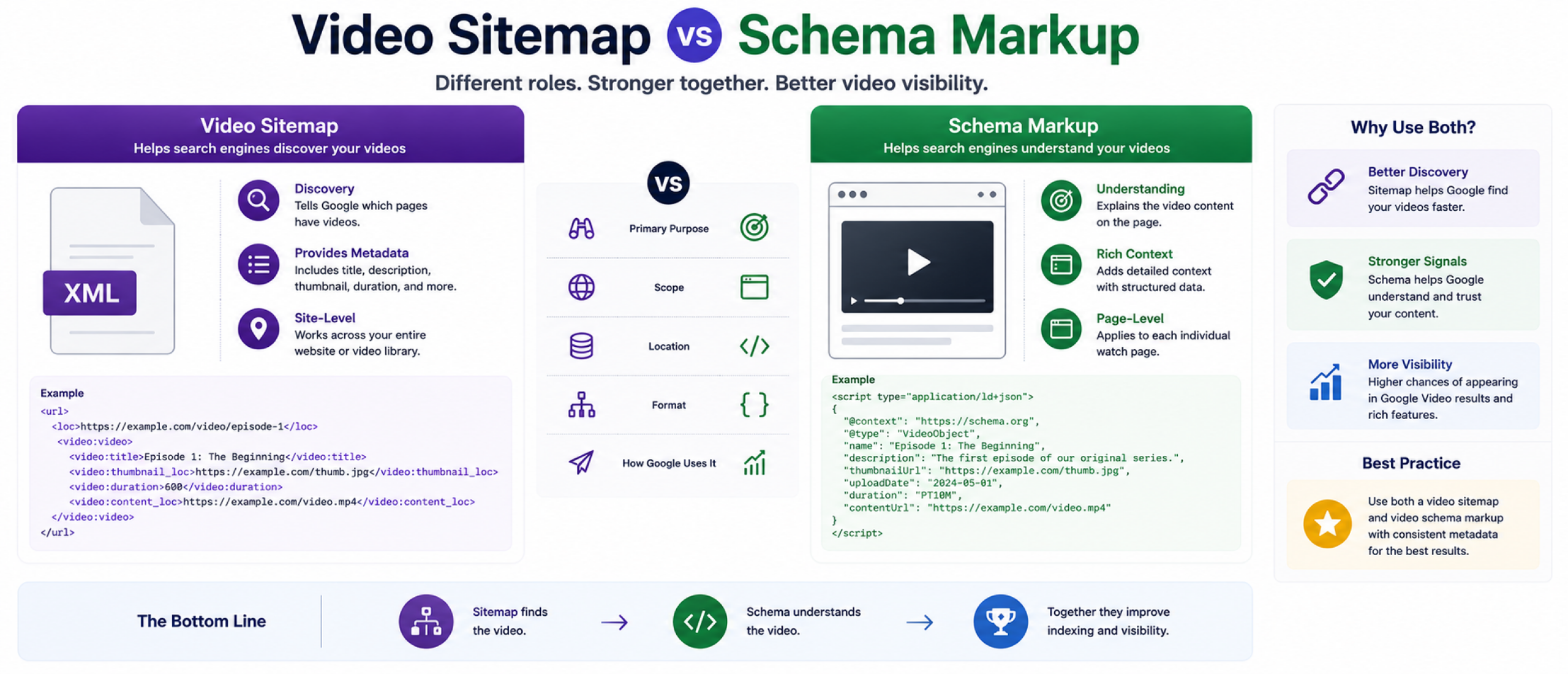
Video sitemaps and schema markup both help search engines understand video content, but they do not do the same job. A video sitemap helps Google discover video pages, while video schema markup helps Google understand the details of a video on the page itself.
For websites with video content, especially OTT platforms, media libraries, course platforms, and streaming services, the best approach is usually to use both. Together, they create stronger signals for video discovery, indexing, and search visibility.
What Is a Video Sitemap?
A video sitemap is an XML file that lists video pages on your website and provides search engines with key metadata about each video. This can include the video title, description, thumbnail, duration, publication date, and content or player URL.
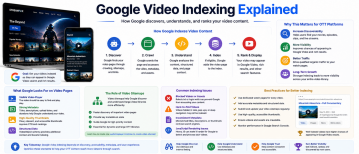
The main purpose of a video sitemap is discovery. It helps search engines find videos that may otherwise be harder to detect, especially when content is embedded through JavaScript, loaded dynamically, or stored inside a large content library.
For a practical setup guide, see our page on how to create a video sitemap.
What Is Video Schema Markup?
Video schema markup is structured data added to the HTML of a watch page. It gives search engines more context about the video shown on that specific page.
Video schema usually uses VideoObject markup and can describe the video name, description, thumbnail, upload date, duration, embed URL, content URL, and other details.
While a sitemap works at the site level, schema works at the page level. It helps confirm that the video described in your metadata is actually present on the page users can visit.
The Main Difference
The simplest way to think about the difference is this: a video sitemap helps search engines find your videos, while video schema helps search engines understand your videos.
A sitemap acts like a directory. It tells Google which URLs contain videos and where important assets are located. Schema markup acts like a label on the page. It explains what the video is, when it was published, what thumbnail belongs to it, and how it should be interpreted.
Neither one fully replaces the other. A sitemap can improve discovery, but schema can strengthen relevance and eligibility for enhanced search features.
When to Use a Video Sitemap
Use a video sitemap when your website has multiple video pages, a growing video library, or content that search engines may not easily discover through normal crawling.
This is especially useful for OTT platforms, streaming catalogs, publishers, news sites, education platforms, and any business that regularly publishes video content.
Video sitemaps are also helpful when videos are loaded dynamically, embedded through a custom player, or organized across many categories, seasons, episodes, or collections.
When to Use Video Schema Markup
Use video schema markup on individual pages where a specific video is available to watch. This gives Google page-level confirmation about the video and its metadata.
Schema is especially useful when you want search engines to connect the visible page content with the video title, thumbnail, upload date, and playback information.
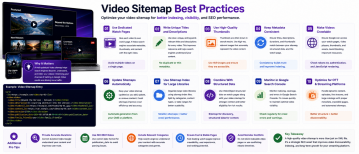
For best results, the schema should match the visible page content and the information included in the video sitemap.
Why You Should Use Both
Using both video sitemaps and video schema creates a stronger video SEO setup. The sitemap helps Google discover the video URL, while schema helps Google validate and understand the video on the page.
This combination is especially important for large streaming platforms where content can be dynamic, frequently updated, or difficult to crawl through standard navigation alone.
When the sitemap, schema, and watch page all share consistent metadata, search engines have a clearer understanding of the content. That can improve indexing reliability and support better video visibility.
Common Mistakes to Avoid
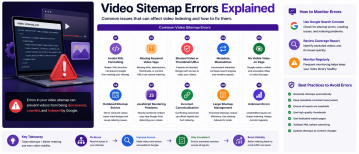
A common mistake is using a video sitemap without adding structured data to the watch page. This may help discovery, but it can leave weaker page-level signals.
Another issue is adding schema markup that does not match the actual video on the page. If the title, thumbnail, or description differs from the sitemap or visible content, search engines may treat the signals as unreliable.
Some websites also add video schema to pages where the video is not clearly visible or playable. For video SEO, the watch page should make the video easy for both users and search engines to access.
Best Approach for OTT Platforms
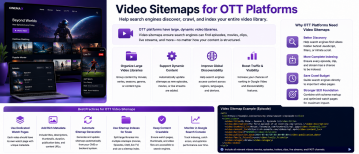
OTT platforms should treat video sitemaps and schema markup as complementary parts of the same indexing strategy. The sitemap organizes the video catalog, while schema strengthens individual watch pages.
For large libraries, sitemaps should be generated automatically from the video CMS. Schema should also be added dynamically to each movie, episode, clip, trailer, or livestream page.
This gives search engines a consistent structure across the entire streaming library and helps improve discoverability as new content is added.