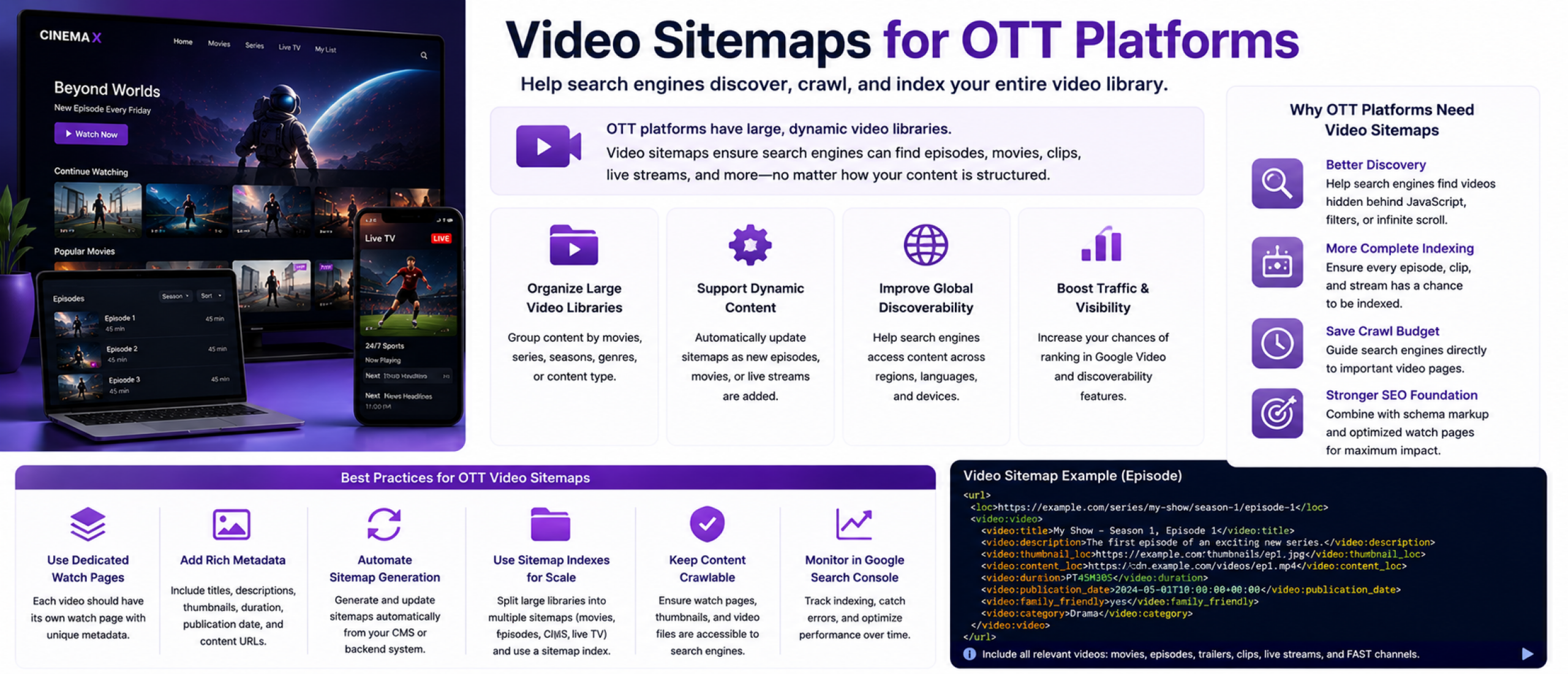
Video Sitemaps for OTT Platforms
Video sitemaps help OTT platforms organize, expose, and optimize video content for search engines. As streaming libraries grow larger and more dynamic, search engines can struggle to discover episodes, movies, clips, live streams, and other video assets through standard crawling alone.
A video sitemap acts as a structured roadmap that tells search engines where video content exists and provides important metadata about each title. For OTT services, this improves indexing efficiency and strengthens video SEO across large streaming catalogs.
Video sitemaps are especially important for platforms using dynamic interfaces, JavaScript rendering, personalized feeds, or large-scale media libraries.
Why OTT Platforms Need Video Sitemaps
Unlike traditional websites, OTT platforms often manage thousands of video pages across multiple categories, seasons, devices, and regions. This creates additional challenges for search engine discovery.
Many streaming services rely heavily on JavaScript-driven navigation and dynamic content loading, which can make it harder for search engines to detect video assets consistently.
Video sitemaps simplify this process by giving search engines direct access to video metadata, watch pages, thumbnails, and playback information without relying entirely on standard crawling behavior.
How Video Sitemaps Work for Streaming Platforms
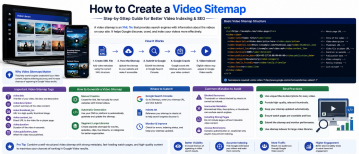
A video sitemap is an XML file containing URLs for video watch pages along with metadata describing the content on those pages.
For OTT platforms, these entries may include episodes, movies, trailers, live events, clips, sports highlights, FAST channels, or premium content libraries.
Each sitemap entry can include the video title, description, thumbnail URL, duration, publication date, category, and playback location. This helps search engines better understand the streaming catalog and index video pages more accurately.
Benefits of Video Sitemaps for OTT SEO
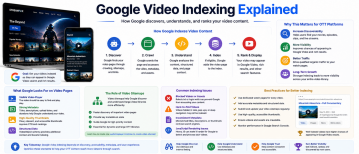
One of the biggest advantages of video sitemaps is improved discoverability. Search engines can identify important video pages faster, especially within large or deeply structured libraries.
Video sitemaps also improve indexing consistency by helping Google associate thumbnails, metadata, and watch pages correctly.
For streaming businesses, this can increase visibility in Google Video search results and improve the chances of video-rich search appearances.
They also help search engines prioritize important video pages instead of wasting crawl budget on less valuable URLs or navigation layers.
Important Metadata for OTT Video Sitemaps
Metadata quality plays a major role in video indexing performance. Titles and descriptions should clearly explain the content while remaining unique for each page.
High-quality thumbnails are especially important because they often appear directly in video search results and heavily influence click-through rates.
Streaming platforms should also include accurate durations, publication dates, categories, and playback URLs whenever possible.
Consistent metadata between the sitemap, watch page, and structured data helps create stronger SEO signals.
Video Sitemaps for Episodic Content
OTT platforms frequently organize content into series, seasons, and episodes. Each episode should ideally have its own dedicated watch page and sitemap entry.
This creates more indexing opportunities and allows search engines to understand the relationship between episodes and series content.
For large catalogs, platforms often create separate sitemap indexes for movies, episodes, clips, or genres to improve scalability and crawl management.
Handling Dynamic and Large Streaming Libraries
Because OTT libraries change constantly, video sitemaps should be generated automatically rather than updated manually.
New episodes, live streams, sports events, or uploaded videos should trigger automatic sitemap updates so search engines always receive fresh metadata.
Large streaming services often use sitemap index files to organize content into multiple smaller sitemaps. This improves crawl efficiency and simplifies maintenance.
Video Sitemaps and Structured Data
Video sitemaps work best when combined with VideoObject schema markup on individual watch pages.
The sitemap helps search engines discover the content, while structured data provides detailed page-level context about the video itself.
Using both together creates stronger indexing signals and improves video SEO performance across OTT libraries.
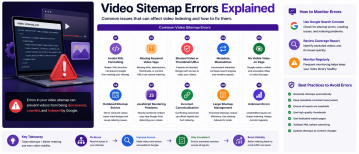
Common OTT Video Sitemap Mistakes
A common problem is including pages that do not contain accessible video content. Search engines need to see an actual playable video on the page to properly index it.
Another issue is inconsistent metadata between the sitemap and the visible watch page. Mismatched titles, thumbnails, or descriptions can weaken indexing quality.
Some OTT platforms also block important assets such as thumbnails or video files through robots.txt or authentication layers, which can prevent successful indexing.
Outdated sitemap entries are another frequent issue for large streaming services with rapidly changing libraries.
Best Practices for OTT Video Sitemaps
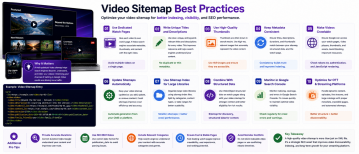
Each video should have a dedicated watch page with clear metadata and visible playback functionality.
Video sitemaps should update automatically whenever content changes. This is especially important for live events, sports streaming, and frequently updated episode catalogs.
High-quality thumbnails, accurate metadata, and crawlable watch pages improve both indexing and user engagement from search results.
For enterprise OTT platforms, sitemap generation should be integrated directly into the CMS or backend video management workflow.
Why Video Sitemaps Matter for OTT Growth
As OTT competition increases, discoverability becomes more important. Even high-quality content can struggle to perform if search engines cannot properly discover and index it.
Video sitemaps help streaming platforms expose more content to search engines, improve crawl efficiency, and strengthen overall video SEO strategy.
For OTT businesses managing large streaming catalogs, video sitemaps are not just a technical SEO feature. They are part of the platform’s broader discoverability and audience growth strategy.