Is OTT the Same as Streaming?
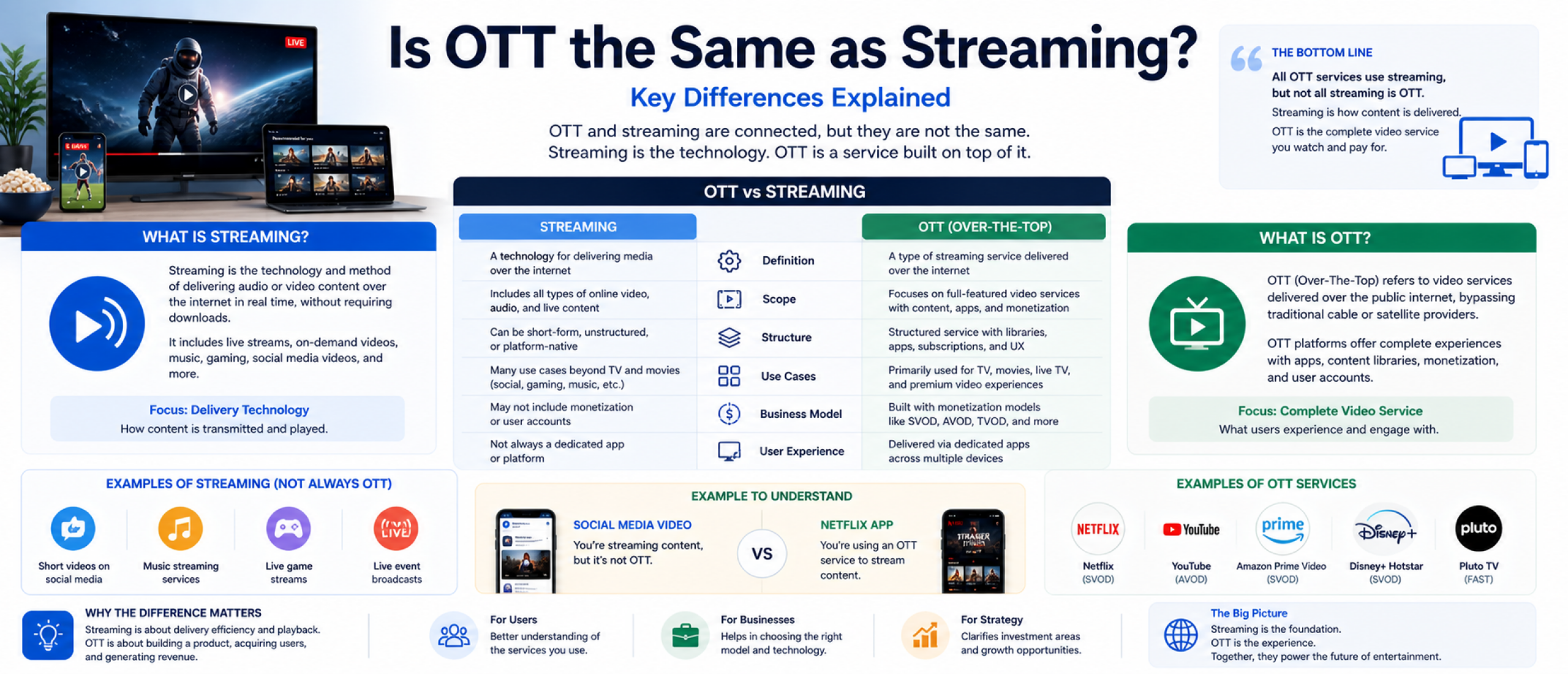
The terms OTT and streaming are often used interchangeably, but they are not exactly the same thing. While both refer to delivering video content over the internet, OTT is a specific type of streaming with its own structure, purpose, and business model.
Understanding the difference between OTT and streaming is important for anyone building or evaluating a digital video platform.
What Is Streaming?
Streaming is a broad term that refers to delivering audio or video content over the internet in real time, without requiring users to download the entire file before playback begins.
Streaming can include a wide range of content types and platforms, such as social media video, live broadcasts, music streaming, gaming streams, and on-demand video services.
In simple terms, streaming is the technology and method used to deliver media over the internet.
What Is OTT?
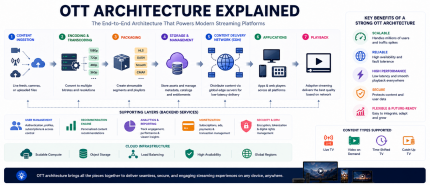
OTT, or over-the-top, refers to a specific category of streaming services that deliver video content directly to users over the public internet, bypassing traditional cable or satellite providers.
OTT platforms are typically structured as full services with apps, content libraries, monetization systems, and user experiences designed for long-form video consumption.
Unlike general streaming, OTT is focused on delivering a complete video platform rather than just a method of delivery.
Key Difference Between OTT and Streaming
The main difference is that streaming is the underlying technology, while OTT is a business model and distribution approach built on top of that technology.
All OTT services use streaming, but not all streaming is considered OTT.
For example, watching a short video on social media is streaming, but it is not typically classified as OTT. Watching a full TV series through a dedicated app is both streaming and OTT.
OTT vs Streaming in Practice
Streaming as a Technology
Streaming focuses on how content is delivered. It includes protocols, encoding, buffering, and playback mechanisms that enable media to be consumed in real time.
This applies across many industries, including music platforms, gaming, live events, and short-form video.
OTT as a Platform Model
OTT focuses on the service layer. It includes the applications, content catalogs, subscription systems, advertising models, and user experience that define a complete video platform.
OTT platforms are designed to compete with traditional television by offering structured, high-quality viewing experiences.
Examples of OTT vs Streaming
Understanding the difference becomes clearer when looking at real-world scenarios.
Examples of Streaming
- Watching short-form videos on social platforms
- Listening to music through an online service
- Viewing live game streams or event broadcasts
Examples of OTT
- Watching movies or series through a dedicated streaming app
- Subscribing to a video service with a content library
- Accessing live TV channels through an internet-based platform
In each case, OTT represents a more structured and complete service built on top of streaming technology.
Why the Difference Matters
For users, the distinction may not seem important, but for businesses it has significant implications.
Streaming is about delivery efficiency and playback quality. OTT is about building a product, acquiring users, and generating revenue through subscriptions, advertising, or transactions.
If you are launching a video service, you are not just implementing streaming. You are building an OTT platform that uses streaming as its foundation.
Where IPTV Fits In
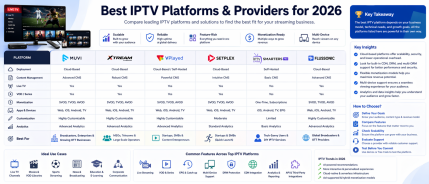
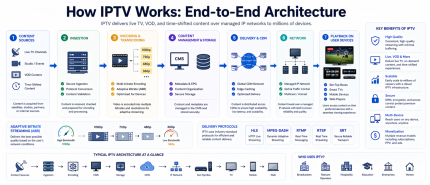
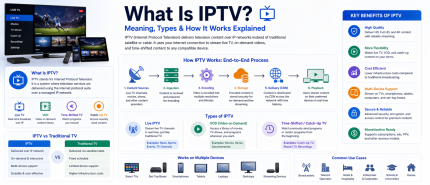
IPTV is another form of video delivery that is often compared to both OTT and streaming. While OTT uses the public internet, IPTV typically operates over managed networks and is designed to replicate traditional television experiences.
This makes IPTV more structured in terms of delivery, while OTT remains more flexible and accessible across devices.
Understanding how IPTV, OTT, and streaming relate to each other helps clarify the broader video ecosystem.
Is OTT Just Another Word for Streaming?
No, OTT is not just another word for streaming.
Streaming is the method of delivering media, while OTT refers to a specific type of streaming service that includes content, applications, monetization, and user experience.
Using the terms interchangeably can lead to confusion, especially when discussing platform strategy or business models.
Choosing the Right Approach
If your goal is to deliver video content online, you will always rely on streaming technology. The real decision is how you package that experience.
Building an OTT platform means creating a complete service that users can access across devices, with structured content and monetization options.
Understanding this distinction is key to developing a scalable and competitive video strategy.